Camping Food Tips You’ll Use Every Trip
Not everyone’s idea of camping is the same, but finding the best camping foods to bring is always a top priority.
When someone wants to know what’s for dinner, of if there’s anything to snack on, that’s when you want the answers to be easy.
From getting food ready at home to making the most of what you bring, a few simple strategies can make your next camping trip a whole lot more relaxing.
Why This Earns a Spot in the Camper
When you’re camping, you don’t want breakfast to become a morning planning session.
From your first cup of coffee to the last snack around the fire, having food already planned out will make this trip as easy as lighting a match .
What this Saves You
At home, forgetting ketchup is annoying. At a campground, forgetting the ketchup might mean a 30 minute drive.
Camping doesn’t always give you a convenient Plan B. That’s why having the right food and supplies with you matters.
Camping Food Roadmap
Before you start grocery shopping, run through these 3 essential route rules:
- The Freeze Window: Freeze all meats solid and prep your block ice at least 48 hours before departure.
- The Pre-Chop Phase: Chop veggies, slice cheese blocks, and pre-mix marinades at home. Cooking at campsite should strictly be about assembly, not heavy knife prep.
- The Dry Run: Remove bulky cardboard packaging from crackers, bars, and cereals. Replace them into airtight, waterproof storage containers so they don’t get soggy.
The moment you arrive at your campsite, set up your culinary zone before dark following these layout tips:
- ➔ The Washing Station: Keep a separate water jug, biodegradable soap, and a mesh drying bag within 5 feet of your cooking table.
- ➔ The Wildlife Zone: Designate a secure, lockable vehicle space or bear box for all food storage. Never leave dry food bins or loose trash bags sitting out on your picnic table overnight.
To make your fresh food last the entire trip without getting waterlogged, layer your cooler using this roadmap sequence:
- The Sub-Basement: Place your solid block ice or frozen water jugs at the absolute bottom.
- The Heavy Iron: Layer your frozen raw meats and heavy vacuum-sealed dinner packs directly on top of the block ice.
- The Canopy: Keep fresh eggs, loose produce, cheese slices, and your open butter container at the very top, safely out of the splash zone.
Camping Foods Worth Prepping & Packing
You don’t need to do much to get everyone fueled up for the day.
A great way to start:
- Egg-in-a-hole (skillet)
- Oatmeal Breakfast Bars
- Overnight oats
- Sausage and Egg Breakfast Quesadillas (skillet)
- Breakfast muffins
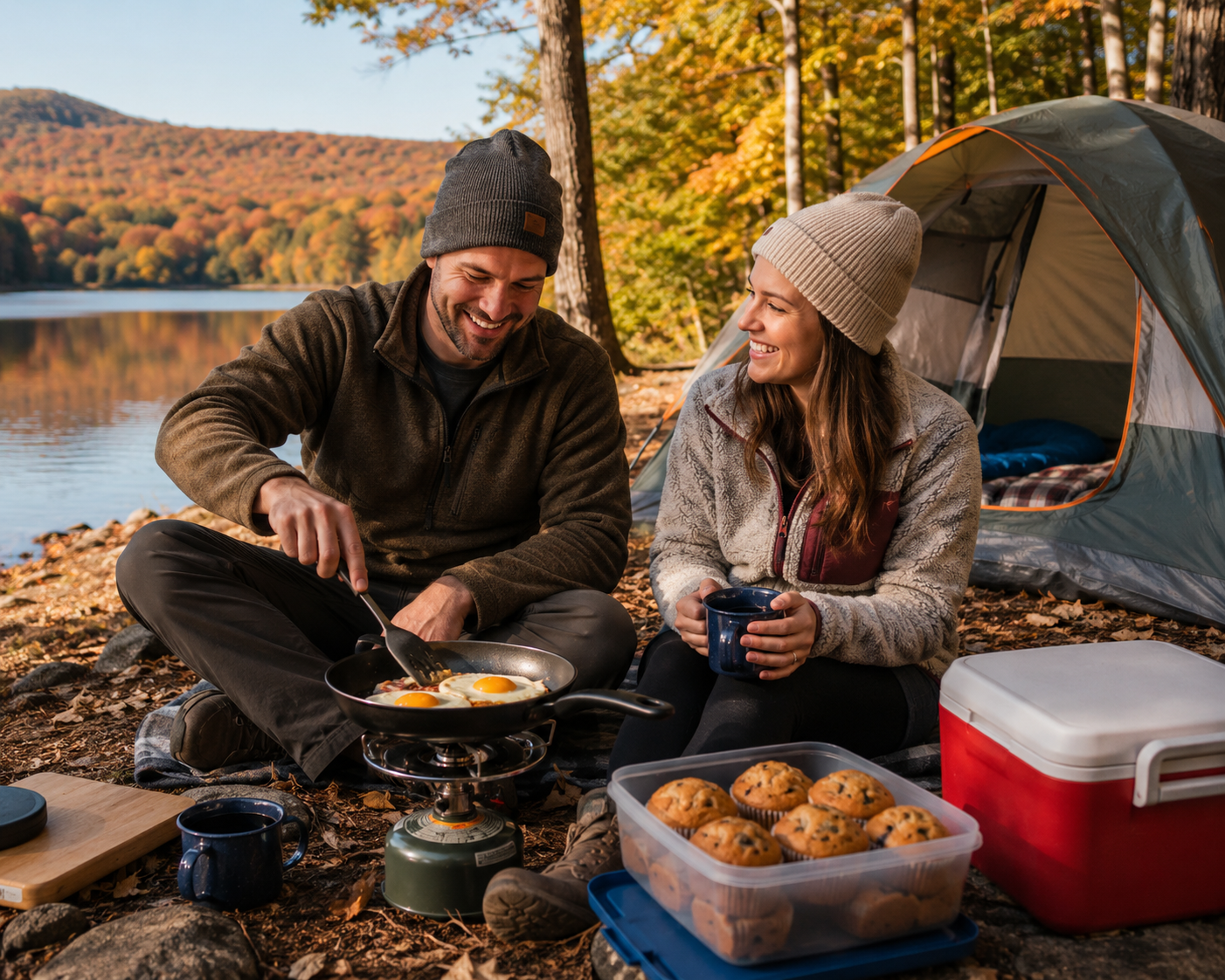
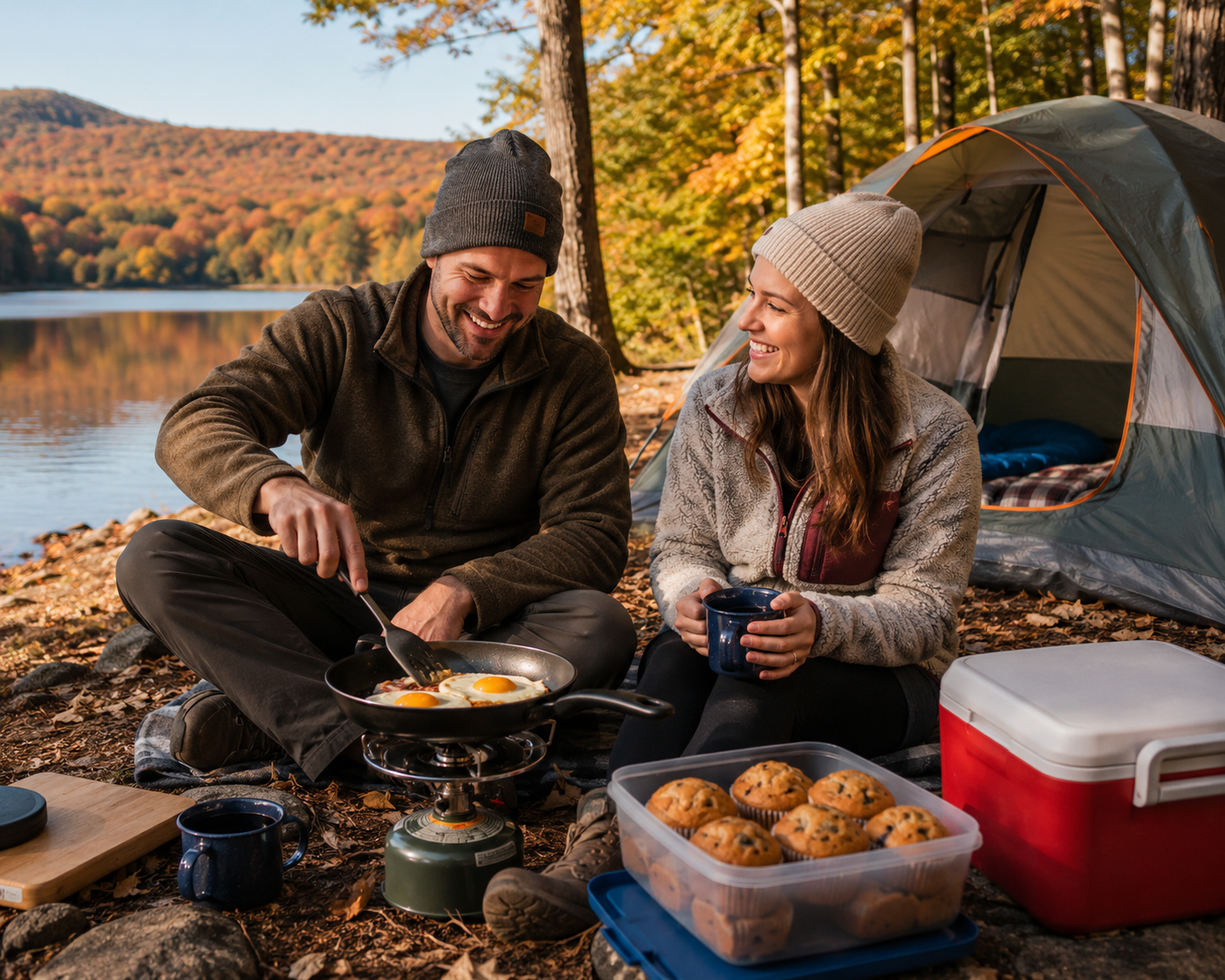
Here’s one way to mix and match: Bake and freeze the muffins at home, then cook eggs and bacon at camp. The muffins can also double as a late-morning snack.
Perfect for easy lunches:
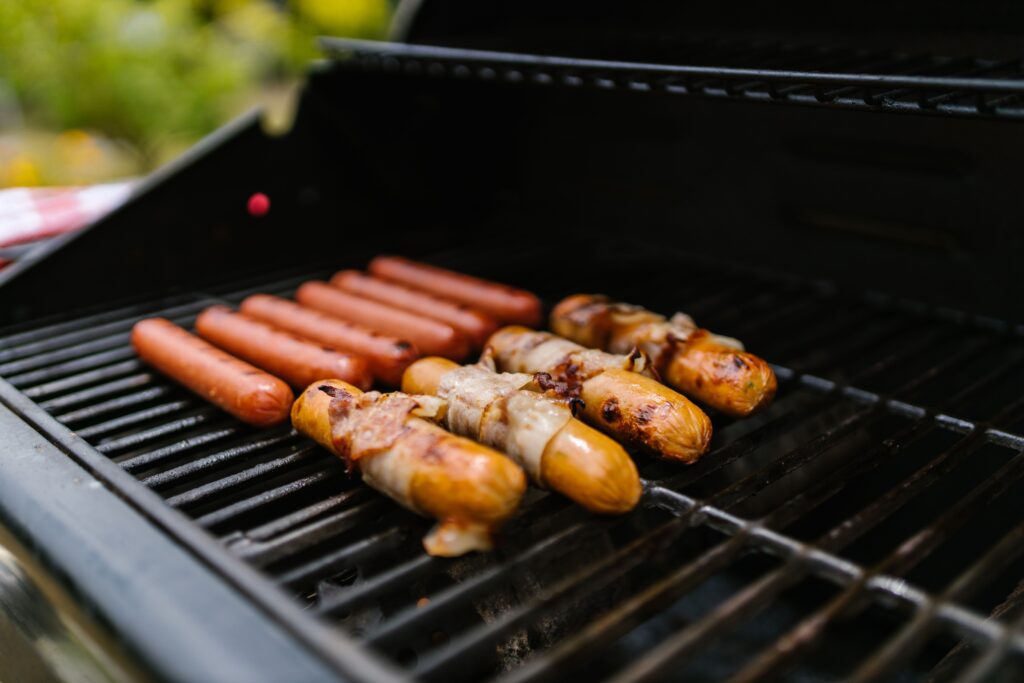
Keep it simple! These take up little cooler space and are a breeze to make:
- Hot dogs/sausages (grill)
- Quesadillas (skillet)
- Pita or Naan Pizzas (skillet)
- Peanut butter sandwiches
Super simple dinners:
With a campfire or stove, you can cook or reheat many of the same foods you would make at home.
- Chili (stove top)
- Foil packet meals like Grilled bbq chicken and veggies
- Burgers with corn on the cob (grill)
- Soup
Any food that you can prep ahead and freeze will make a great first or second night dinner.
Energy snacks you don’t want to forget:
Snacks provide fuel throughout the day and are especially important when you’re camping with kids.
- Banana Muffins
- Popcorn
- Cheese and crackers
- Salted Roasted Almonds
- Dried fruit
Energy bars are another easy option to throw into your bag.
Quick grabs out of the cooler:
Pack as much fresh foods as your cooler space allows.
- Water
- Cheeses
- Fruit
- Vegetables
- Lunch meat
Think easy-to-grab foods like grapes, pepperoni slices, and prepped veggies with hummus.
Non-Food Camping Items Worth Packing
The smallest items can sometimes save you the most frustion at camp if forgotten.
Must haves for cooking:
- Meat thermometer
- Non-stick aluminum foil
- Gilling utensils
- Skillet
- Aluminum pans
- Pot
If you’re not into eating like a caveman:
- Paper plates
- Plastic utensils
- Bowls
To keep the bears away:
- Trash bags
- Dish soap
- Sponge
- Paper towels
- Food storage containers
- Zip-top bags
Because you have to hydrate:
- Refillable water bottles
- Electrolyte packets
Will Travel Tip
If you’ll be camping in a National Park, make sure to reference the National Park Service cooking and food storage guidelines before you leave home. Camping elsewhere? Check the local fire restrictions so you can plan your food accordingly.
Why Smart Campers Do This
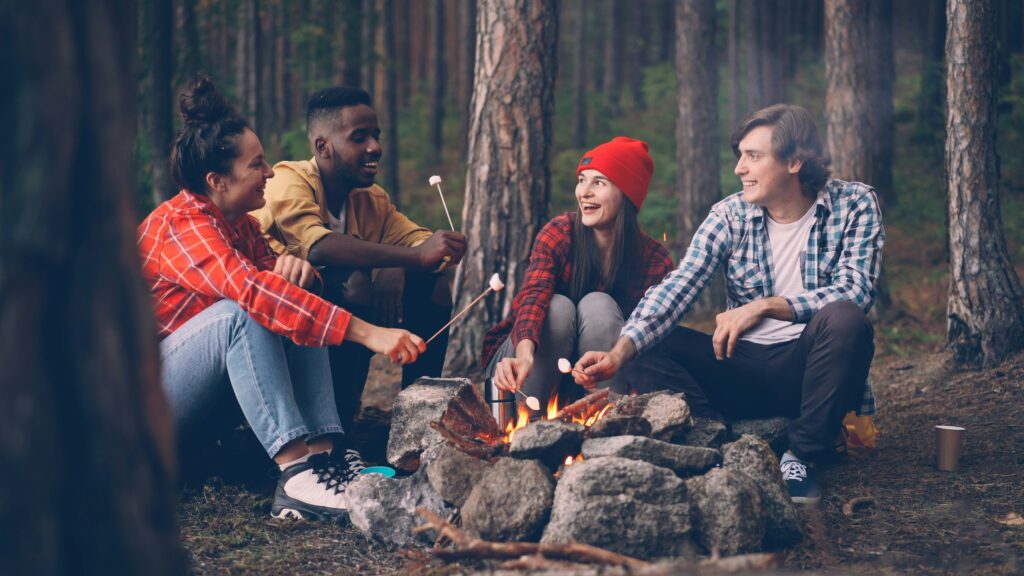
Smart campers know that there isn’t always a grocery store five minutes away, or a restaurant around the corner.
When they bring what they need, there’s no reason to leave camp just because someone forgot an ingredient or everyone suddenly got hungry.
They can settle in, stay awhile, and enjoy the campsite.
Before You Hit The Road
If you’ve followed the Camping Food Prep Planner, you’re all set!
Double check the Departure Day Packing Checklist, then go relax!