
Planning Foods for a Multi-Generational Vacation
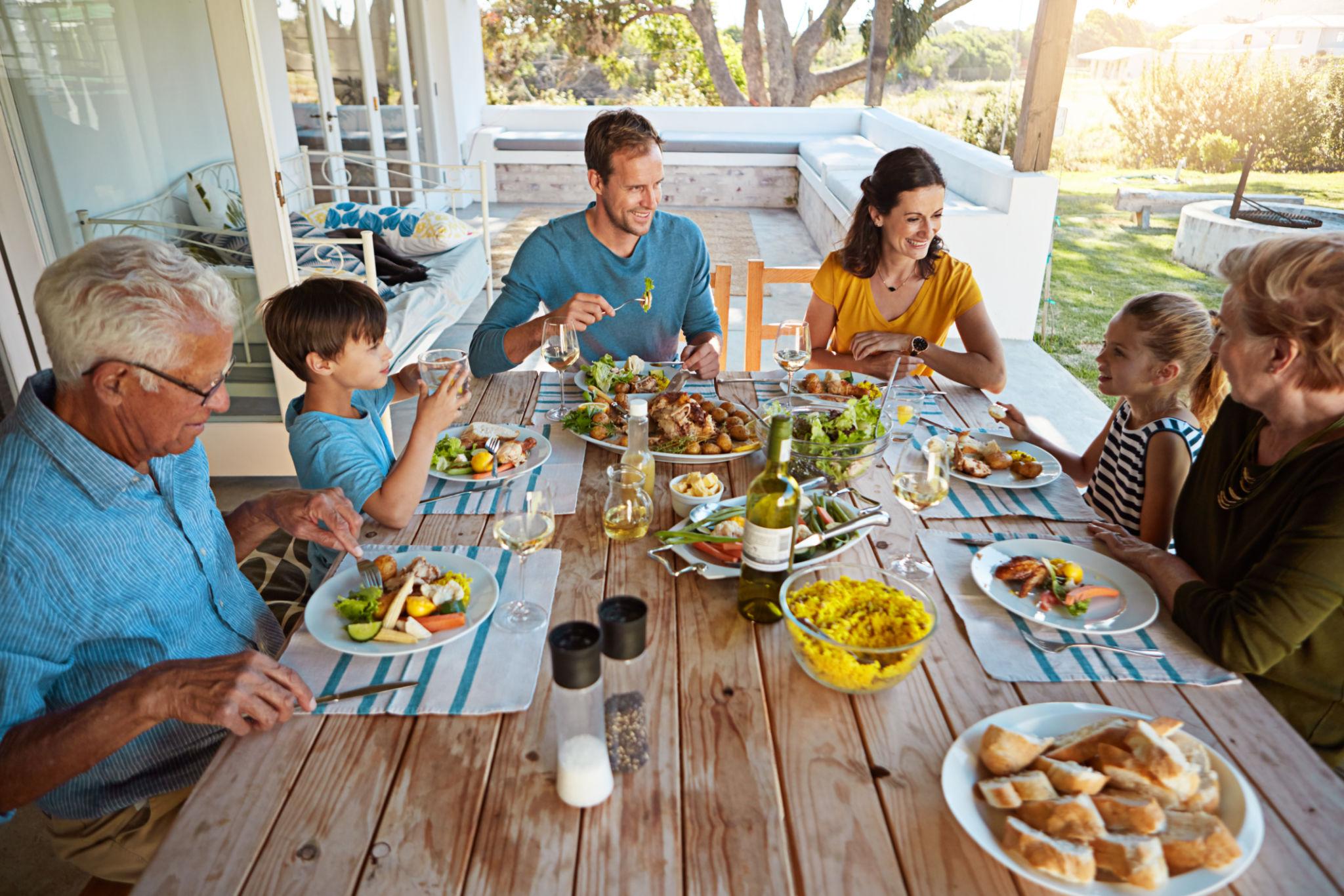
A vacation with multiple generations is a great way to create family traditions and core memories. Feeding everyone though, that can be tricky! Grandparents may eat at different times than teenagers. Young children will want familiar foods. Some family members may have dietary restrictions, while others want to try everything the destination has to offer.
Strategic meal planning for a family vacation is the secret to keeping everyone happy. It’s important to create a flexible plan that gives everyone enough options while still keeping food organized, affordable, and easy to manage.
Without a little prep, it’s easy for food decision to become a daily, exhausting conversation. This guide will help you create a system where everyone has something to eat when they need it, without turning every single meal into a chaotic group decision.
Why This Earns a Spot in Your Travel Plan
Multi-generational family vacations involves more people, which means more preferences, and more moving parts.
Without a little planning, it’s easy for food decisions to become a daily, and constant conversation. You want to make sure everyone has something to eat when they need it, without turning every meal into a group decision.
What This Saves The Group
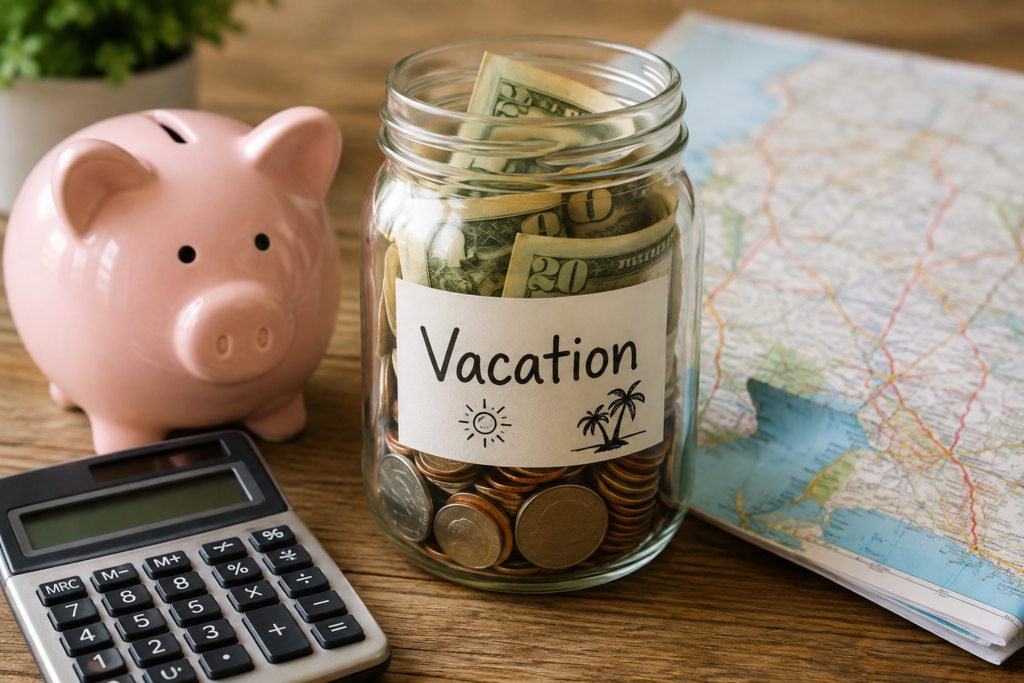
When it comes to planning the food budget, this is where you can help.
Depending on the type of restaurant and your location, the average cost of a mid-range casual sit down meal, will cost a group of 10 anywhere between $300 to $480. That’s with the automatic tip they tack on for groups, which is usually in between 18% and 20%. This is a significant amount of money to consider.
You’ll want to plan a few shared meals, keep flexible foods available, and prep some items before you leave so that you can help to lower the budget on food.
Multi-Gen Food Roadmap
Before anyone opens a grocery app, or hits the road, run through these 3 questions to map out your alignment:
- The Headcount Dynamics: Exactly how many adults, children, and toddlers are traveling and what are the absolute “dealbreaker” food allergies or dietarty restrictions?
- The Kitchen Capabilities: Does your vacation rental or cabin feature a full-sized fridge, a working oven, a grill, and enough pots to cook a meal for a large crowd?
- The Daily Rhythm: Who are your early-morning risers who need food instantly, and who prefers sleeping in and eating a late brunch?
Avoid turning every single meal into a chaotic group discussion. Focus your cooking around a flexible rotation and build-your-own food setups:
- ➔ The Team Cook Rotation: Divide the calendar so different family units handle dinner duty. This gives parent and grandparents actual nights off to relax.
- ➔ The Build-Your-Own Main Staples: Stick to flexible, crow-pleasing dinner bars (taco bars, pasta with different sauces, grilled burgers with toppings, sandwhich bars, or build-your-own pizzas) so picky eaters can customize their own plates easily.
- ➔ The Independent Breakfast Bar: Instead of cooking a massive sit-down breakfast daily, keep muffins, bagels, yogurt, fruit, eggs, breakfast sandwiches, cereal, and oatmeal available so everyone can eat on their own schedule.
Keep your vacation house pantry completely organized and budget-friendly by setting up a centralized snack system:
- The Central Snack Station: Keep fruit, crackers, trail mix, popcorn, granola bars, cheese, nuts, and pretzels in one easy-to-find spot.
- The Bulk Packaging Hack: Buy family-sized packages and portion them yourself into individual bags to save money over expensive convenience packs.
- The Activity Buffer: Keep the portable, pre-portioned packs ready to grab for different daily activity schedules or day trips away from the house.
Foods Worth Prepping and Packing
The more people you’re feeding, the more helpful prep can become.
Before leaving home, consider what can be:
- Cooked
- Frozen
- Portioned
- Chopped
- Marinated
- Baked
Prep-ahead options might include:
- Breakfast muffins
- Frozen casseroles
- Cooked shredded chicken
- Marinated meats
- Homemade snack packs
- Portion-sized trail mix
- Pre-cut vegetables
- Frozen fruit
There’s a lot of meals you can freeze ahead which will help you stay focused on the items that save the most time.
Will Travel Tip
Create a food safety net: a few easy foods that are always available for anyone who gets hungry between meals or doesn’t want what’s being served.
Before you hit the road
Check to make sure you have the following:
- Pre-frozen meals
- Prepped refrigerated foods.
- Prepped and portioned snacks.
- Any purchased grocery items.
- Refillable water bottles.
- Slow cooker
- List of items to purchase upon arrival.
Share the checklist with anyone else in your family that is involved in bringing foods along for your vacation.
You’ve got the food covered, now go enjoy the trip!